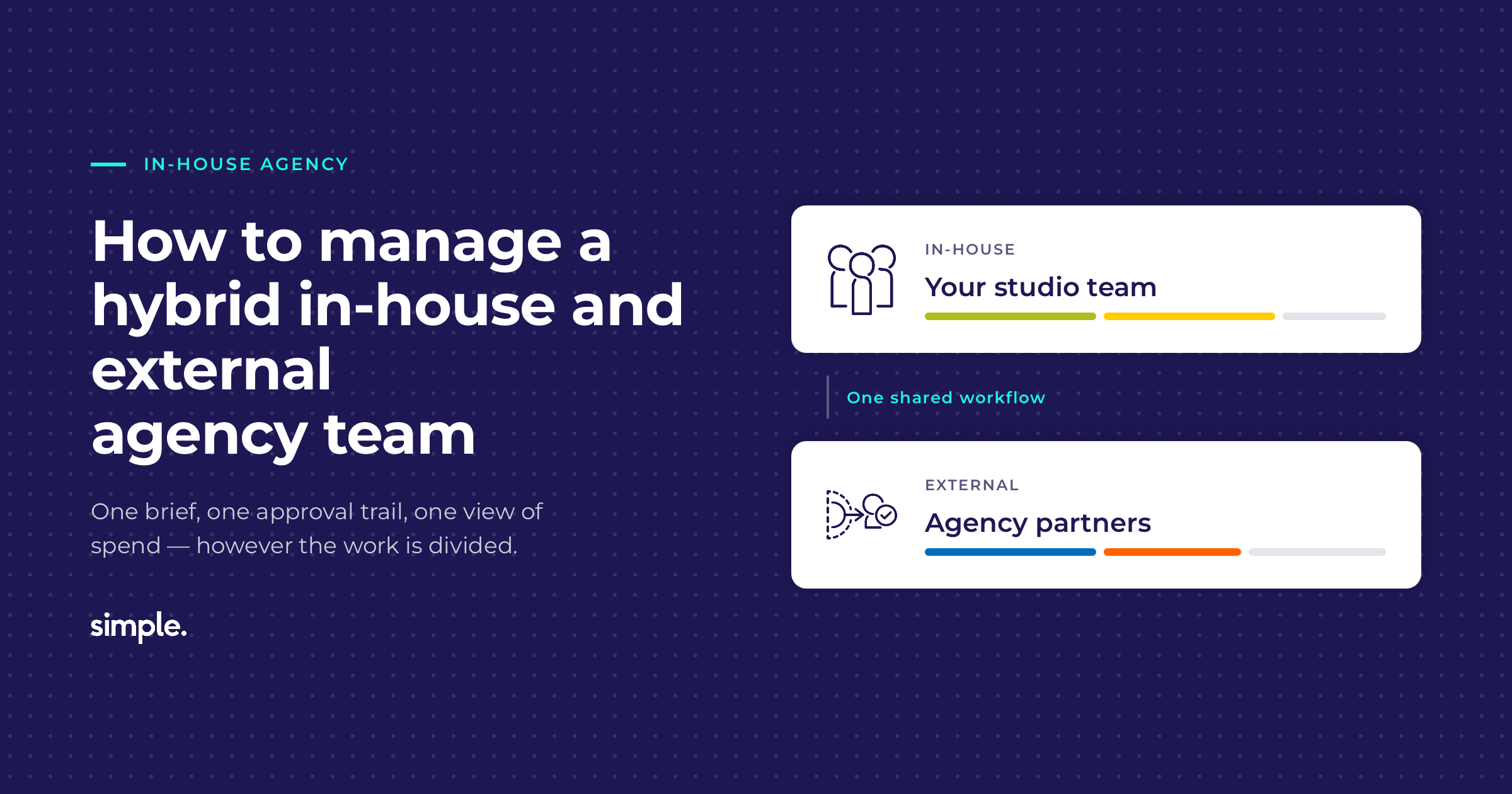
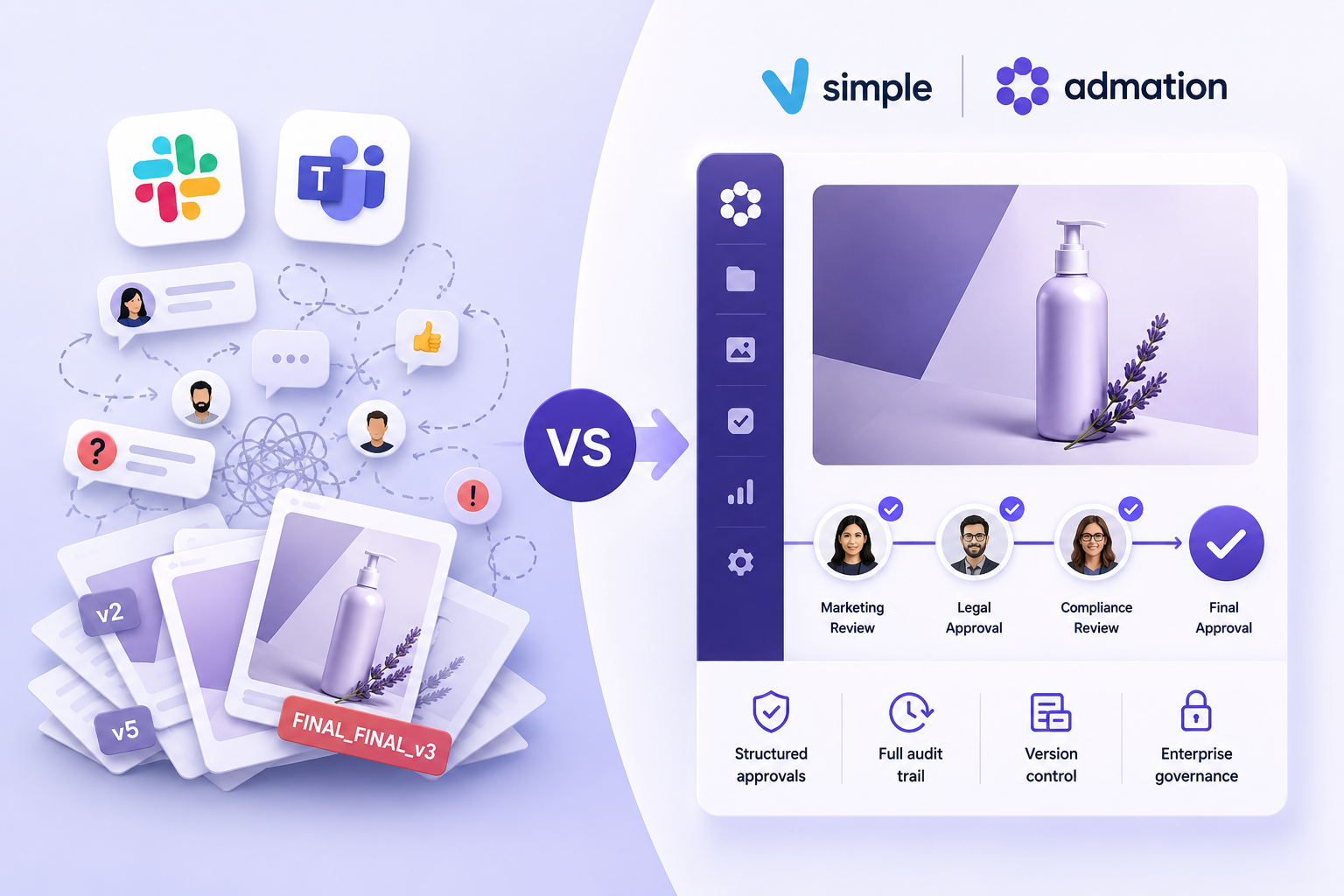
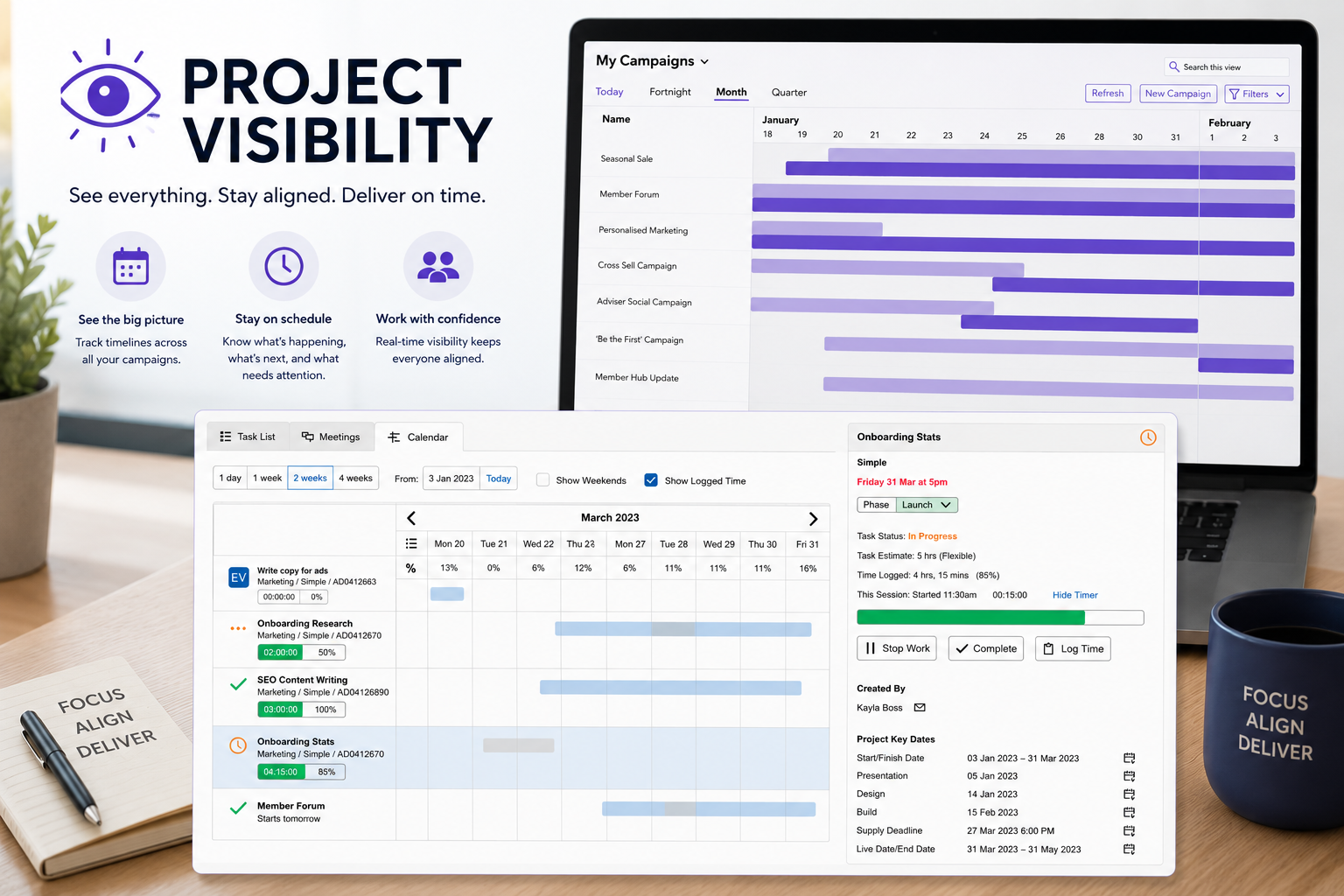
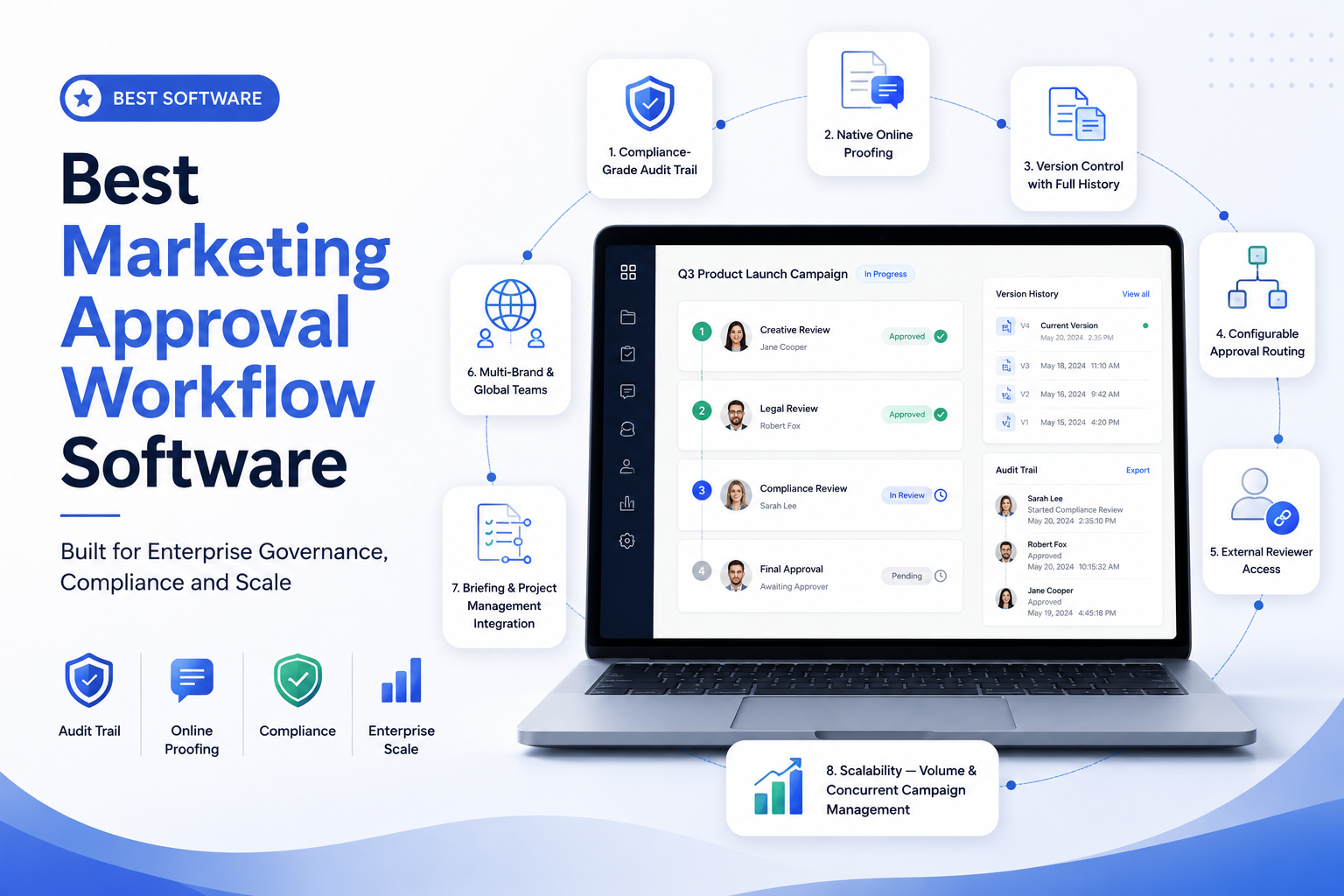
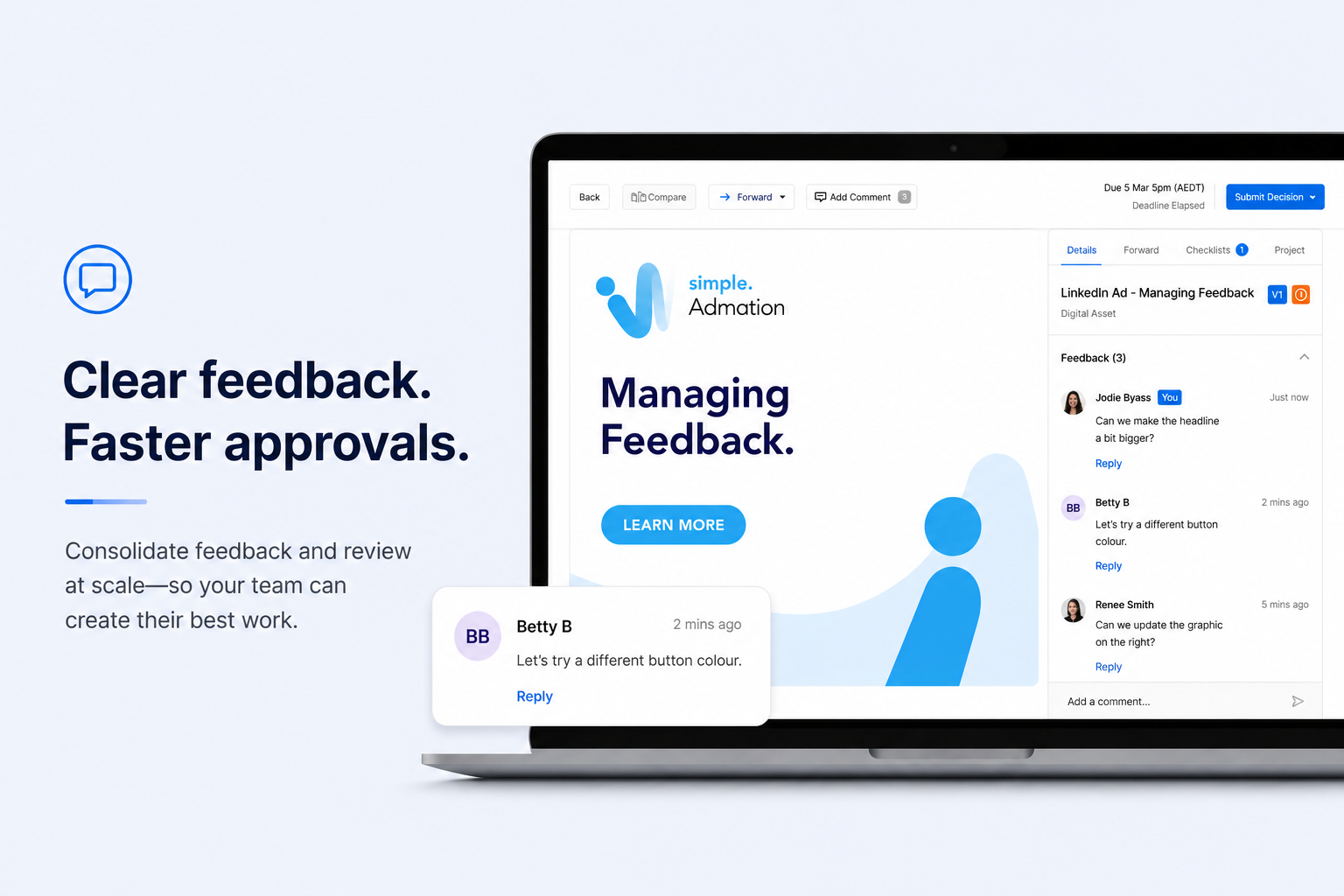
The best-practice model for a hybrid in-house and external agency team is for the brand to own the shared workflow while each agency manages its own internal production process. A brand-owned marketing project management platform should hold the briefs, deadlines, deliverables, feedback, approvals and final assets. Agencies can use their own production tools, provided agreed milestones, versions and decisions are recorded in the brand's system.
This gives the brand visibility and control without requiring agencies to adopt every internal process.
Hybrid delivery is now common in larger marketing organisations. The internal team typically handles high-volume, fast-turnaround work — social, digital, adaptations, always-on content — while external agencies take the larger campaigns, specialist production and projects that benefit from outside thinking. In its 2023 research, the Association of National Advertisers reported that 82% of respondents had an in-house agency, and 92% of those organisations continued to work with external agencies as well.
Read more Most marketing compliance problems don’t announce themselves. They accumulate quietly — in the buffer time built into campaign timelines, in the revision rounds that seem to multiply, in the nagging sense that the approval queue is never quite under control. By the time a compliance failure actually reaches market, the warning signs were usually there long before.
In this article
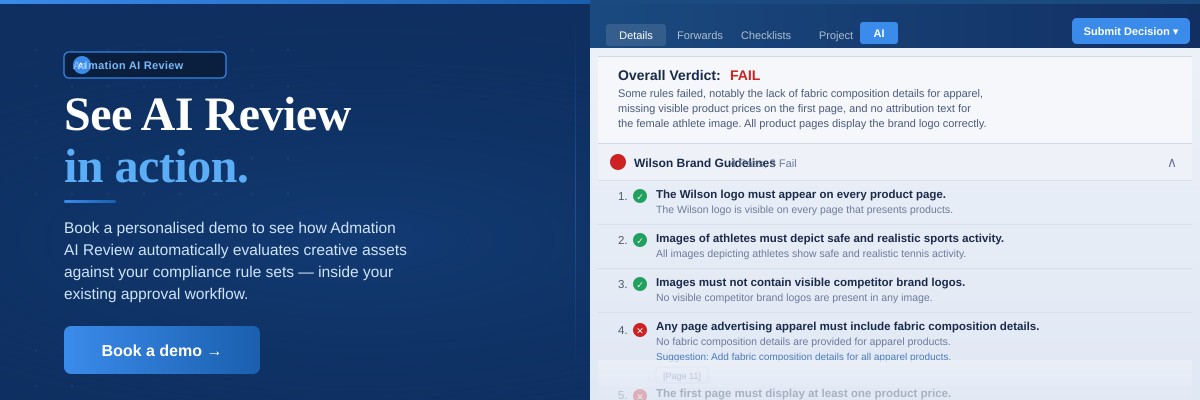
• Manual compliance review processes are under structural pressure from growing content volume and increasing regulatory complexity — and most teams are already showing the warning signs• Late-stage compliance catches, recurring errors, built-in buffer time, vague feedback and audit gaps are symptoms of a process that isn't scaling — not individual reviewer failure• Each sign has a structural cause and a structural fix — moving compliance checking earlier in the workflow, before human review begins• Admation AI Compliance Checking lets teams run an on-demand check on any asset against uploaded compliance documents, pre-built regulatory rule sets or brand guidelines — returning a findings summary of • Rules Passed, Rules Failed, Rules Uncertain and Average Confidence % before any reviewer opens the file
Read the full guide: Why manual compliance review is breaking down — and how AI changes the equation
Read more Australian marketing teams operate in one of the most heavily regulated environments in the world. Depending on your industry, marketing content may need to comply with the Privacy Act 1988, SPAM Act 2003, Australian Consumer Law, ASIC Regulatory Guide 234 (RG 234), APRA governance requirements, or the Therapeutic Goods Advertising Code.
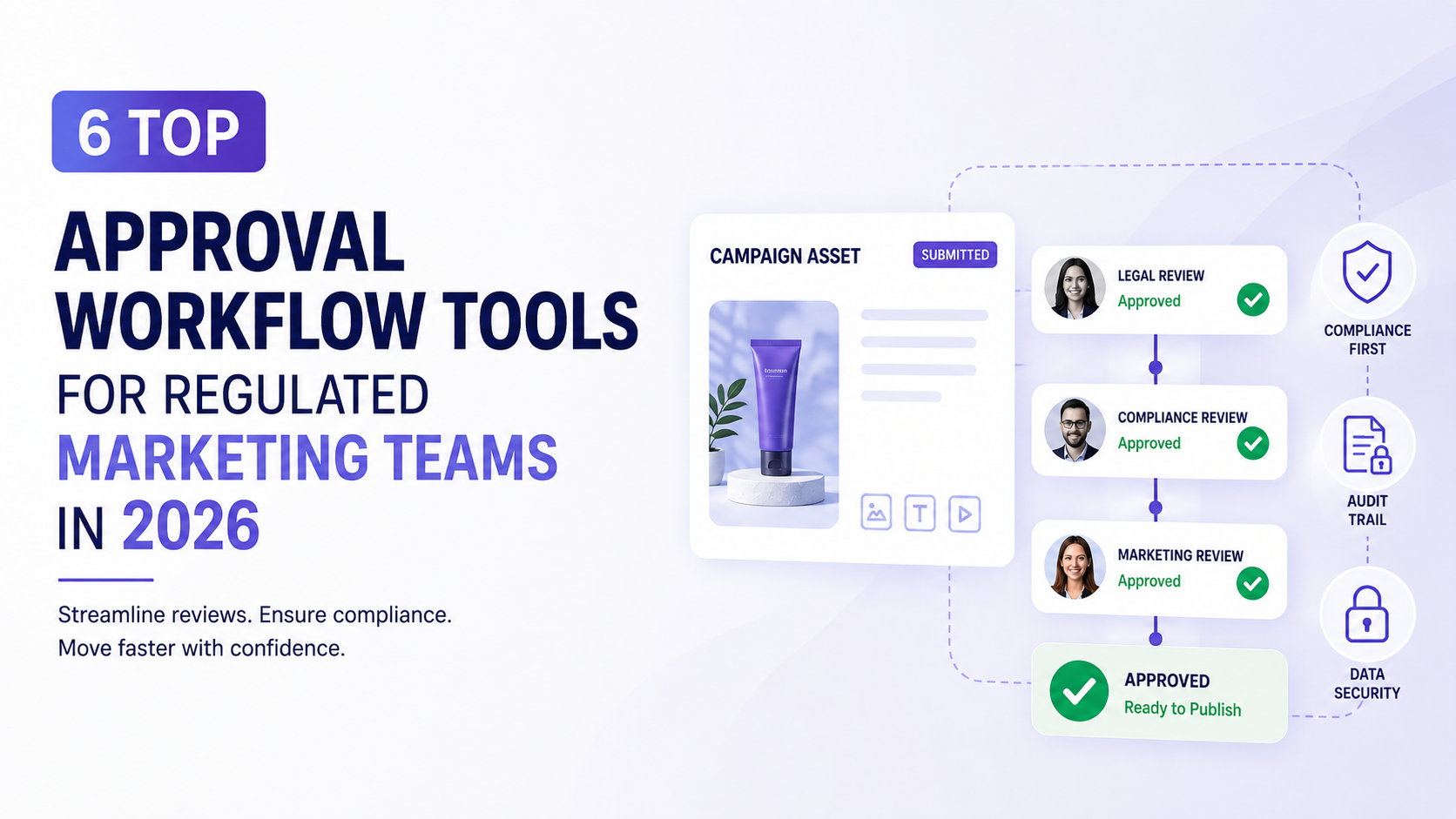
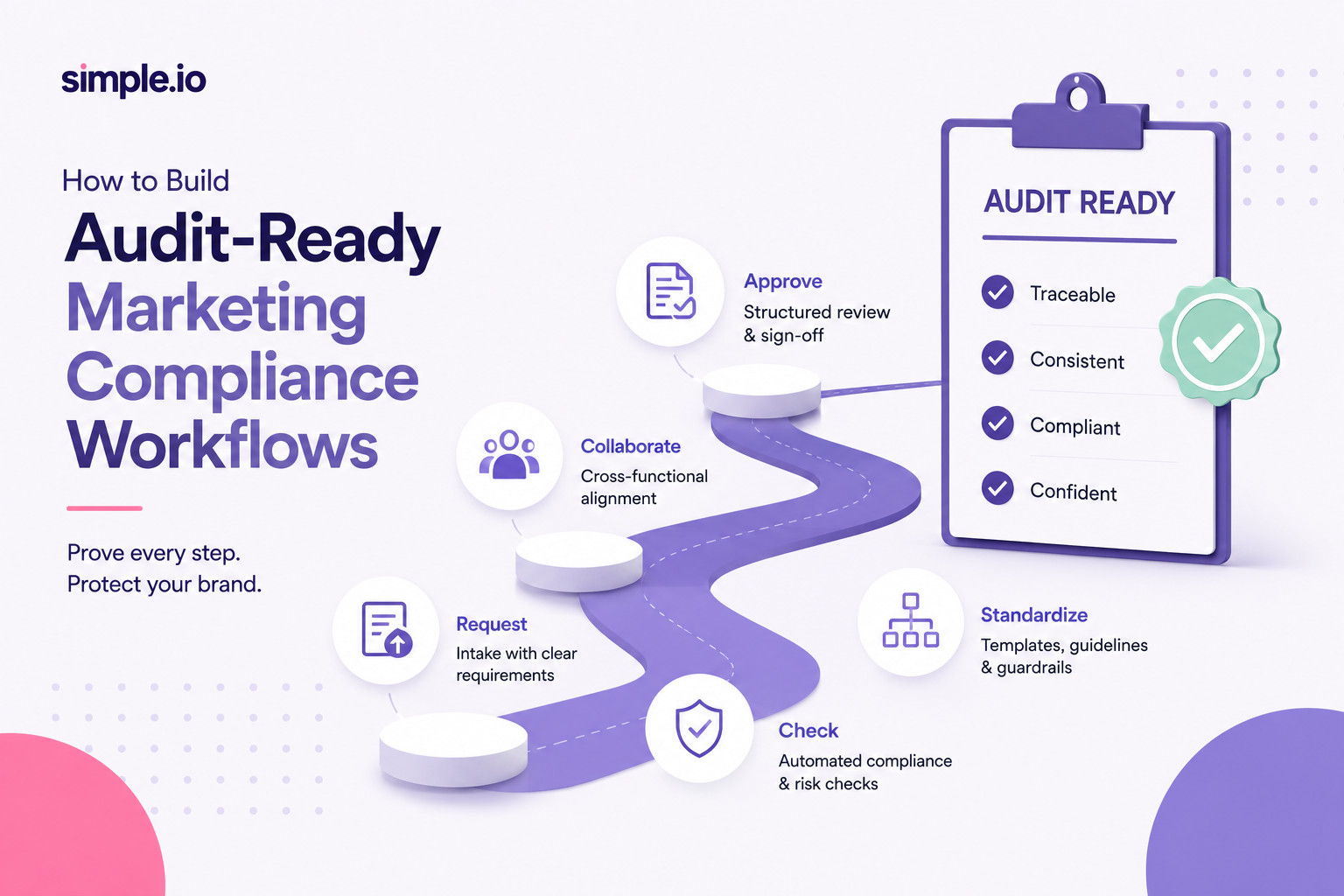
For marketing leaders, compliance is no longer just a legal concern. It has become an operational challenge. Teams need to manage reviews, approvals, disclosures, audit trails, version control and increasingly, AI-generated content.
Marketing compliance software helps organisations manage the processes, approvals and governance controls required to ensure marketing content meets regulatory, legal and brand requirements before publication.
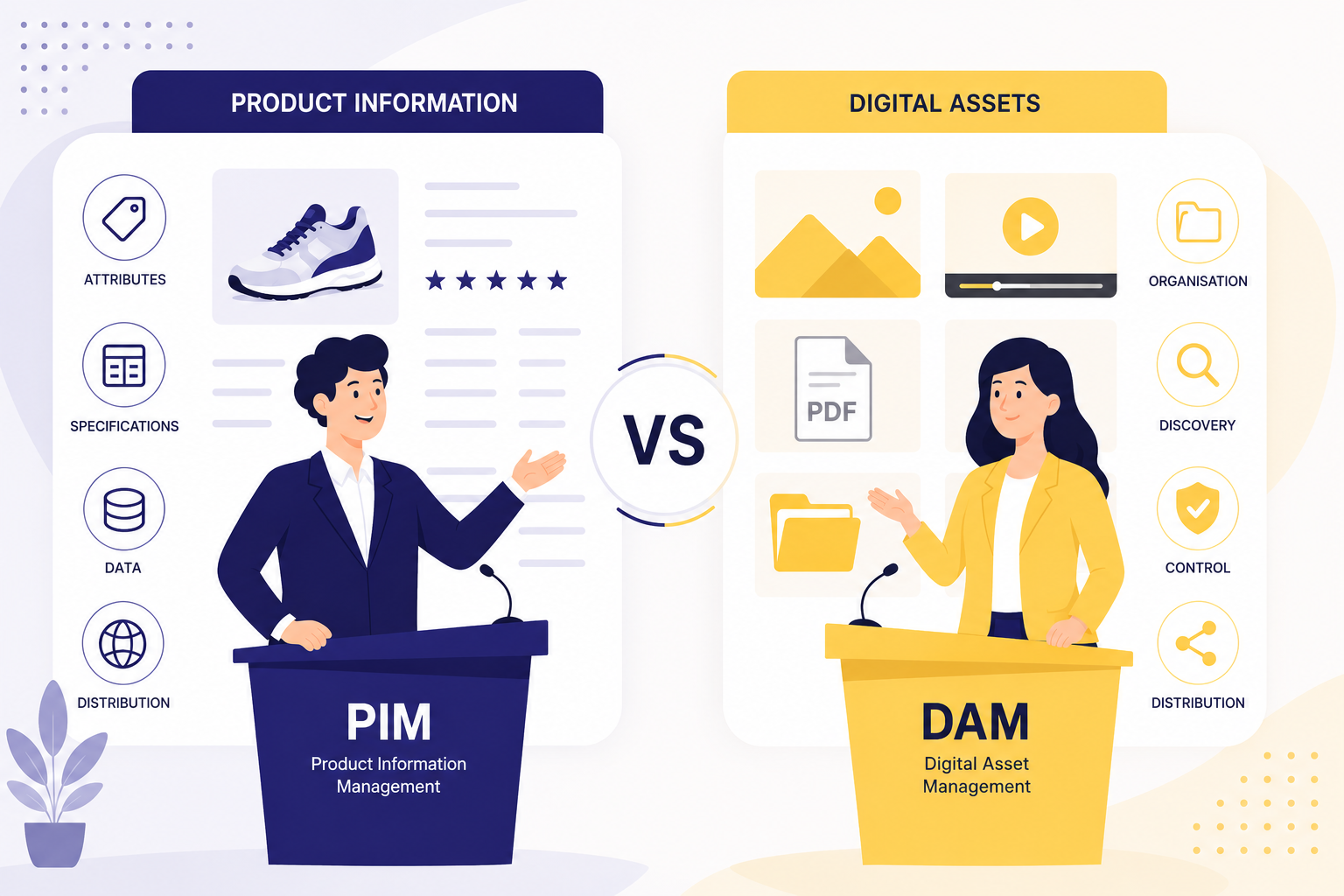
Read more A retail PIM (Product Information Management system) stores, manages and distributes product data across every retail channel ” websites, marketplaces, catalogues, eDMs and in-store systems ” from a single source of truth. A retail-specific platform goes further than generic PIM software, adding vendor onboarding, approval workflow and integrated promotion production so product data becomes published promotions without leaving the platform.
Product data is the operational foundation of modern retail. Every product page, every catalogue, every eDM, every in-store display — all of it starts with product information. And for most retailers, managing that information is harder than it should be.
This guide is for retail marketing, merchandise and operations teams who are managing product data at scale — or who are about to be. It covers how a retail PIM works from end to end: from getting product data off vendors, through enrichment and approval, to multichannel distribution and promotion production.
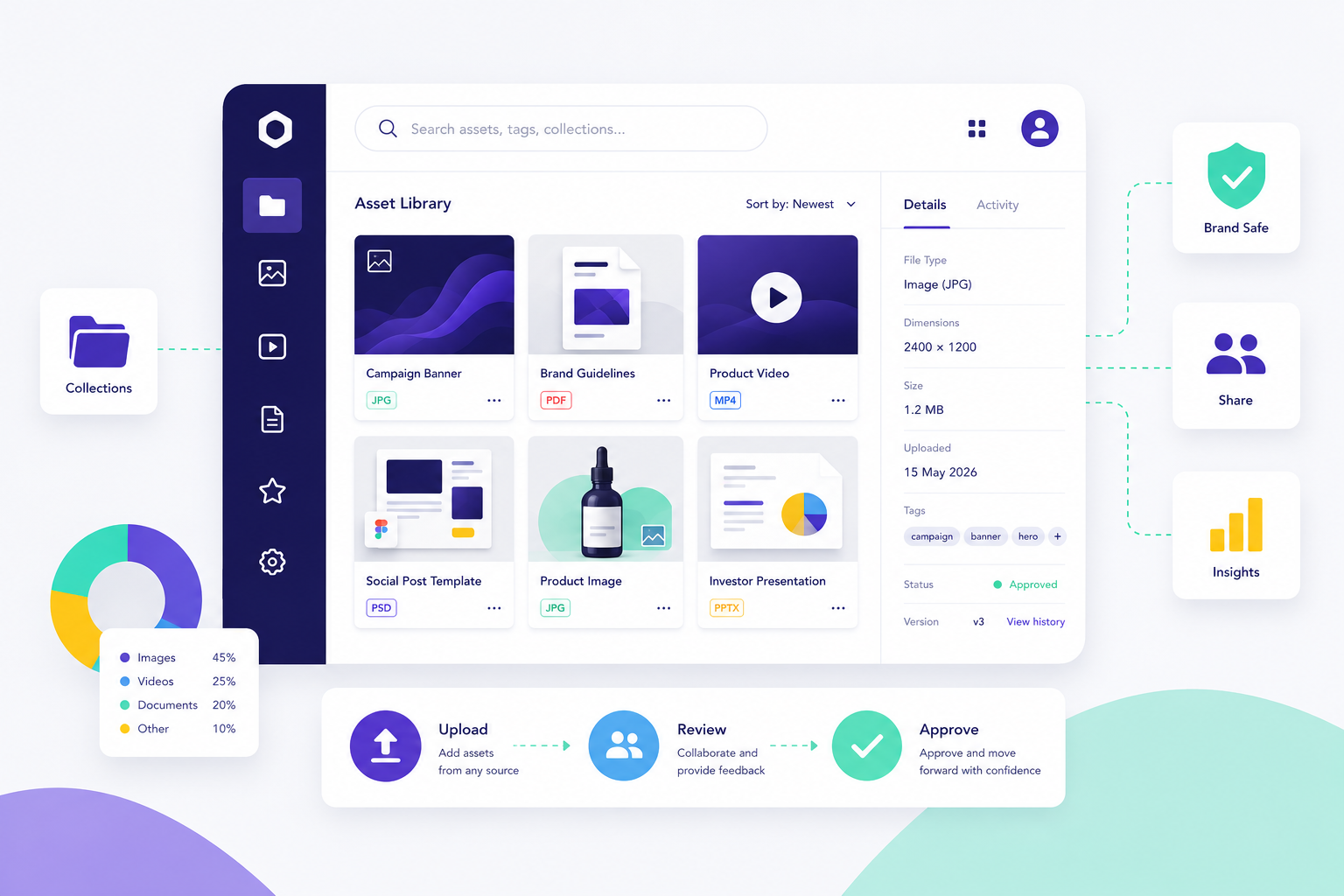
Read more The pitch for digital asset management software used to be simple: stop wasting time hunting for files. And for a while, that was enough. A centralised library, some folder structure, basic search — job done.
But marketing teams today aren't just managing more assets. They're managing more channels, more campaigns, more external partners, and more compliance obligations than at any point before. The files haven't just grown in volume — they've grown in complexity. And a library with a search bar is no longer enough to govern them.
This guide covers what's changed in DAM software, what modern marketing teams actually need from a platform, and the six capabilities that separate a DAM that genuinely improves your workflow from one that creates a tidier version of the same problems you already have. If you're starting from scratch, the complete guide to digital asset management covers the fundamentals. If you're already at the evaluation stage, keep reading.
Read more
How to set up, run, and continuously improve the approval workflow that gets your marketing to market faster.
Most marketing teams don't have an approval problem. They have a process problem. The approvals themselves aren't the bottleneck - the bottleneck is the informal, ad hoc system around them: email chains, unclear responsibilities, feedback arriving at the wrong time from the wrong people, and no mechanism to prevent the same delays from repeating on the next campaign.
This guide covers how to audit your current process and identify where it actually breaks down, how to build a step-by-step approval workflow that runs consistently, the best practices that separate high-performing marketing teams from those perpetually behind schedule, the bottlenecks that derail even well-designed workflows, and how to get your team to genuinely adopt a new process once you have designed one.
For the theory - what a marketing approval workflow is, why it matters, and the key benefits - see the complete guide to marketing approval workflow. This guide is focused on the practical: what to build and how to run it.
New to approval workflows? Start with the Quick Start Guide to Understanding Approval Workflow Solutions.
Read more Online proofing software gives marketing and creative teams a single, structured platform to review, annotate and approve every asset — replacing email, spreadsheets and printed mark-ups with tracked, visible, accountable workflows. This guide covers the practical side: the signs your team needs it, the benefits it delivers, how it fits your tech stack, and a framework for choosing the right platform. Where a fully integrated option matters, Simple Admation is a marketing approval workflow platform with built-in online proofing, version control and a compliance audit trail.
Read more